Sustainable Textiles: The Next Growth Engine of Global Trade
The Turning Point
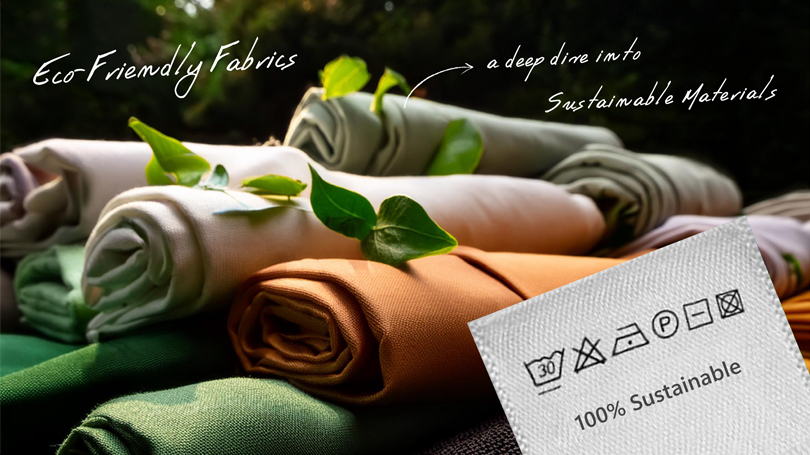
The textile industry is at a crossroads. For decades, fashion and apparel were driven by speed and cost. Today, they are driven by responsibility. Sustainability is no longer a marketing narrative — it is a commercial reality shaping every sourcing decision.
From fiber cultivation to final stitching, every stage of textile production now faces scrutiny. Buyers want to know where their cotton was grown, how much water was used, and whether workers were treated fairly.
Why Sustainability Equals Profitability
It may seem counterintuitive, but sustainable operations have proven to be more profitable in the long term. Reduced resource consumption, improved energy efficiency, and waste recovery lead to leaner, more resilient business models.
Global brands are also offering preferred supplier status — and even better contract terms — to sustainable yarn exporters. As a result, sustainability isn’t just a cost of compliance; it’s a business differentiator.
Ascento Overseas, through its strategic manufacturing partners, focuses on sustainable sourcing and environmentally responsible supply chains. This alignment with the world’s leading brands ensures long-term trust and repeat business.
The Buyer’s Perspective
Sustainability has become a criterion for selection. European and American buyers, under ESG and CBAM pressures, now prefer suppliers with traceable, certified products. Indian mills offering BCI, GOTS, and OCS yarns are already seeing a significant surge in demand.
What is interesting is that sustainability has begun to influence not just what buyers choose, but who they choose. Transparency, ethical conduct, and verifiable impact are the new currencies of trade.
Building a Sustainable Future
India’s journey toward sustainability is not complete, but it’s accelerating. Renewable energy installations in mills, water recycling systems, and circular fiber initiatives are becoming mainstream.The next decade will belong to exporters who build sustainability into their DNA, those who do not wait for regulations to enforce it, but make it part of their brand identity.