Ascento Overseas

Author name: peerinfotech09

Yoyospins Casino

Moje zkusenost s Yoyospins Casino po tydnu testovani rozhrani a rychlosti webu

Prvni dojmy a navigace Testovani rozhrani yoyospins.cz mi zabralo cely tyden. Hned po prvnim otevreni webu jsem si vsiml prehledne horni listy. Tlacitka pro prihlaseni a registraci jsou umistena vpravo nahore a nikdy jsem je nemusel hledat. Uvadeci banner s bonusem az 1 300 EUR a 275 volnymi otockami je vyrazny, ale nepusobi rusive. Na mobilu jsem nameril cas nacteni uvodni stranky 2,1 sekundy na 4G siti. To je slusny vysledek pro takto nabity web. Navigace mezi sekcemi Sport, Casino a Virtualni sporty funguje okamzite. yoyospins.cz Verdikt: Rychlost nacitani a rozlozeni prvku na mobilu jsou na vysoke urovni. Yoyospins Casino zavadi okamzite vyberove transakce pro kryptomeny Zkusenost s hernim lobby V herni sekci jsem vyzkousel celkem 12 kategorii filtru, vcetne Hot, Cold a Bonus Buy. Vyhledavaci ikonka v hlavicce funguje svizne. Zkusil jsem spustit hru Ultimate Golden Dragon Inferno a nacitani trvalo pouze 3 sekundy. Filtrovani podle poskytovatelu jako Pragmatic Play nebo Play’n GO je intuitivni a setri cas. Vsiml jsem si, ze sekce Megaways je oddelena, coz mi usnadnilo hledani specifickych automatu. Graficky je lobby ciste a neobsahuje zbytecne animace, ktere by zpomalovaly prohlizec. Verdikt: Filtrovani her je skvele zpracovane a velmi efektivni. Yoyospins Casino pridava okamzite vybery kryptomen do sve nabidky pro hrace Sportovni sazky a Betiator Pro sportovni fanousky je pripravena sekce, kde jsem testoval prehlednost kurzu. Vyuzil jsem funkci Euro View pro zobrazeni zustatku a trhu. Zaujal me Betiator, ktery vyvojari oznacuji jako crash hru pro sportovni sazky. Je to unikatni prvek, ktery jsem jinde nevidel. Sazky na fotbalove zapasy, jako treba Francie vs. Irac, jsou prehledne s kurzy v decimalnim formatu. K dispozici je 20 ruznych sportovnich odvetvi, coz je vice nez dostatecne. Nastroj pro stavbu sazky My Combo funguje plynule a umoznuje nastavit cilovou castku, treba 25 EUR. Verdikt: Sportovni sekce je robustni a nabizi pokrocile nastroje pro arzenal kazdeho sazece. Platebni proces a vklady Vklad na ucet jsem provedl pres kartu Mastercard. Cely proces vyzadoval pouze 3 kliknuti od momentu vyberu metody po potvrzeni transakce. Platforma podporuje i krypto, vcetne Bitcoinu a Etherea, coz ocenuji. Vsiml jsem si, ze platby pres Paysafe jsou spravovany kyperskou entitou, coz zvysuje mou duveru v bezpecnost transakci. Vyber trval o neco dele, ale vse probehlo v ramci deklarovanych pravidel. Zadny zbytecny procesni balast jsem nezaznamenal. Verdikt: Platebni brana je rychla a intuitivni, bez zbytecnych prodlev. Turnaje a promo akce Aktualne probihajici Spinoleague s prize poolem 12 000 000 EUR je na strance vyrazne prezentovana. Zkusil jsem se zapojit do Gamzix Spin Express, ktery bezi kazdy tyden od ctvrtka do soboty. Badge s oznacenim 1 000 000 EUR na slotech je jasnym vizualnim voditkem pro hrace. Moznost prohlednout si expirovene akce pres specialni tlacitko je uzitecny detail pro historii sazky. Dozivotni cashback je zajimavy benefit, ktery udrzuje hru aktivni i pri mensich vkladech. Verdikt: Turnajova sekce je prehledna a nabizi konstantni motivaci pro hrani. Zakaznicka podpora a zaver Kdyz jsem potreboval overit podminky k bonusu, pouzil jsem live chat. Odpoved jsem dostal behem jedne minuty. Podpora pracuje 24/7, coz je pri testovani platforem vzdy velke plus. V paticce stranky najdete vsechny potrebne pravni dokumenty, vcetne informaci o licenci ALSI-102310002-F15 ze statu Anjouan. Web pusobi jako profesionalne odladeny softwarovy produkt. I kdyz mam rad vic barevne variability, technicke zpracovani prevazuje nad estetickymi preferencemi. Verdikt: Profesionalni pristup k podpore a transparentni pravni informace.

Blog

Decoding the Carbon Border Adjustment Mechanism (CBAM) and Its Impact on Textile Exports

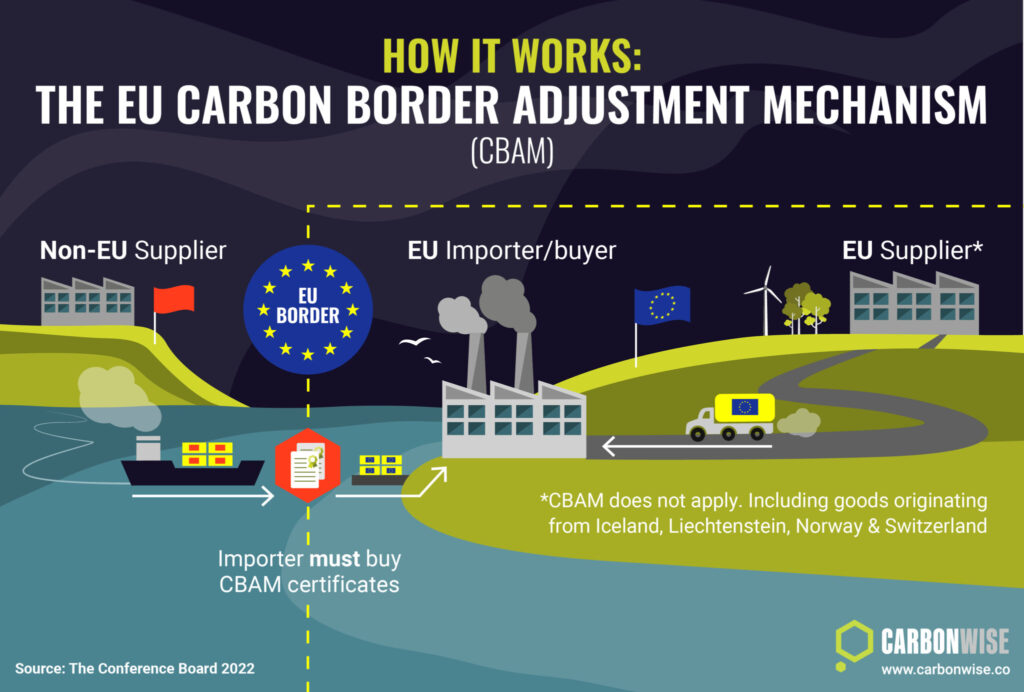
Decoding the Carbon Border Adjustment Mechanism (CBAM) and Its Impact on Textile Exports What Is CBAM and Why It Matters The European Union’s Carbon Border Adjustment Mechanism (CBAM) is one of the most significant trade policies of the decade. While it currently targets sectors like cement, steel, and fertilizer, its impact will eventually extend to energy-intensive industries including textiles.CBAM’s intent is to prevent “carbon leakage” by imposing carbon tariffs on imports produced with higher emissions than EU standards. For textile exporters, this means that carbon efficiency will soon become as critical as product quality. Implications for Indian Textile Exporters India, as one of the largest exporters of yarn and fabric to Europe, will inevitably feel CBAM’s ripple effects.Exporters must prepare for detailed emission reporting and verification. Mills relying on coal or heavy fossil fuels may face penalties, while those adopting solar, wind, or biomass energy will gain a pricing advantage.Companies like Ascento Overseas are already anticipating this shift by collaborating with energy-efficient mills and promoting responsible sourcing. This early adaptation will translate into long-term competitiveness in regulated markets. Turning Compliance into Opportunity CBAM can be seen as a barrier or a bridge.While some exporters may struggle with new compliance costs, forward-thinking ones can leverage it as proof of sustainability leadership. Demonstrating a lower carbon footprint will help command premium prices and access preferential buyer networks. The Path Forward The textile industry must integrate carbon tracking into its supply chain management systems. Digital tools, supplier audits, and lifecycle assessments will soon become standard practice.Those who prepare now will not only meet future regulations but also win the trust of environmentally conscious buyers. The future of exports is not just about “Made in India” – it is about Responsibly Made in India.

Blog

Threads of Trust: The Human Side of Global Trade

Threads of Trust: The Human Side of Global Trade Beyond the Machines and Metrics Behind every bale of cotton, every spinning frame, and every neatly packed cone of yarn lies something deeper- people.Their skill, patience, and pride form the invisible foundation of global trade.While machines bring precision, it is human integrity that gives textiles their true value.Every yarn tells a story of farmers braving uncertain monsoons, of spinners ensuring uniformity count after count, of quality teams refusing to compromise.It is easy to overlook them when discussing lead times or margins, but they are the real reason why a product delivers what it promises. Trust: The Strongest Fiber in Business In international trade, paperwork secures a deal but trust sustains it.Trust is built when commitments are honored even in difficult times, when updates are transparent, and when every promise feels personal.At Ascento Overseas, this trust is our biggest asset.We do not just export yarn; we export reliability.Our partners across continents return to us because they know that quality and integrity come first, no matter what.In an industry where delays and deviations can cost millions, dependability becomes priceless. And trust once earned becomes the strongest thread that binds partners across oceans. The Bridge Between Worlds A farmer in India and a fashion designer in Europe may never meet, yet their lives are connected through a single thread of yarn.Global trade, when done with responsibility, becomes a bridge carrying more than products; carrying pride, purpose, and partnership.At Ascento, each order is a handshake across borders, built on shared standards and mutual respect. The Legacy That Matters Every business leaves behind two legacies- one of numbers, and one of values.The first defines success; the second defines significance.At Ascento Overseas, we measure our progress not just by export volumes but by the strength of relationships we have built along the way.Machines can deliver output, but only people can deliver trust.That is what makes us who we are- not just exporters, but enablers of confidence in global trade.Ascento Overseas- Elevating Global Standards, One Thread of Trust at a Time

Blog

Ethical Fashion Begins at the Yarn Stage: How Suppliers Shape Responsibility

Ethical Fashion Begins at the Yarn Stage: How Suppliers Shape Responsibility The Misunderstood Beginning of “Ethical” When people think of ethical fashion, they imagine fair wages in sewing units or sustainable fabrics in stores. Rarely do they realize that the foundation of ethical fashion begins much earlier — at the yarn stage.Ethics in textiles starts with the raw material. Cotton grown under fair conditions, processed in safe environments, and spun in compliant mills becomes the base of a truly ethical garment. How Yarn Suppliers Influence Ethics Yarn suppliers are gatekeepers of responsibility. From fiber sourcing and worker safety to waste management and emission control, the supplier’s choices determine the moral footprint of the fabric that follows.Brands like Patagonia, Levi’s, and H&M now evaluate suppliers based on ethical indices. This includes labor conditions, traceability, and environmental management. Exporters like Ascento Overseas, who align with globally certified partners, ensure that their yarns meet these ethical benchmarks. Why It Matters to Buyers Ethical production reduces reputational risks for global brands. A single compliance violation at the supplier level can damage brand credibility. Therefore, many buyers are now building supplier responsibility reports to ensure every upstream partner aligns with their values.As yarn producers and exporters, taking ethics seriously is not just moral, it is strategic. It ensures longevity in relationships and a seat at the table with top global players. The Road Ahead Ethical fashion is the direction of the future, and suppliers who lead with integrity will define that future. Ascento Overseas stands as an example of this approach- partnering only with mills that uphold strong social and environmental standards.When ethics becomes a business advantage, the entire supply chain wins.

Blog

Sustainable Textiles: The Next Growth Engine of Global Trade

Sustainable Textiles: The Next Growth Engine of Global Trade The Turning Point The textile industry is at a crossroads. For decades, fashion and apparel were driven by speed and cost. Today, they are driven by responsibility. Sustainability is no longer a marketing narrative — it is a commercial reality shaping every sourcing decision.From fiber cultivation to final stitching, every stage of textile production now faces scrutiny. Buyers want to know where their cotton was grown, how much water was used, and whether workers were treated fairly. Why Sustainability Equals Profitability It may seem counterintuitive, but sustainable operations have proven to be more profitable in the long term. Reduced resource consumption, improved energy efficiency, and waste recovery lead to leaner, more resilient business models.Global brands are also offering preferred supplier status — and even better contract terms — to sustainable yarn exporters. As a result, sustainability isn’t just a cost of compliance; it’s a business differentiator.Ascento Overseas, through its strategic manufacturing partners, focuses on sustainable sourcing and environmentally responsible supply chains. This alignment with the world’s leading brands ensures long-term trust and repeat business. The Buyer’s Perspective Sustainability has become a criterion for selection. European and American buyers, under ESG and CBAM pressures, now prefer suppliers with traceable, certified products. Indian mills offering BCI, GOTS, and OCS yarns are already seeing a significant surge in demand.What is interesting is that sustainability has begun to influence not just what buyers choose, but who they choose. Transparency, ethical conduct, and verifiable impact are the new currencies of trade. Building a Sustainable Future India’s journey toward sustainability is not complete, but it’s accelerating. Renewable energy installations in mills, water recycling systems, and circular fiber initiatives are becoming mainstream.The next decade will belong to exporters who build sustainability into their DNA, those who do not wait for regulations to enforce it, but make it part of their brand identity.

Blog

India’s Rise as the Global Hub for Premium Cotton Yarns

India’s Rise as the Global Hub for Premium Cotton Yarns The Silent Revolution in Yarn Manufacturing Over the past decade, India’s cotton yarn industry has undergone a quiet yet powerful transformation. From being perceived as a volume-based, price-sensitive exporter, India has evolved into a supplier of high-quality, globally compliant, and technically advanced yarns trusted by mills and brands across continents.This rise is not coincidental. It is the result of continuous modernization, professional management practices, and a deep cultural understanding of textiles — an industry that has been part of India’s identity for centuries. Today, India contributes nearly 25% of global cotton yarn exports, serving major markets such as Turkey, Portugal, Bangladesh, South Korea, and the USA. Technology Meets Tradition The Indian spinning sector’s journey is built on innovation layered over experience. Modern mills are equipped with compact, ring, and rotor spinning machines from world-class manufacturers like Rieter, Trützschler, and LMW.Automation, contamination clearers, and Uster testing have become the norm rather than the exception. What once required manual intervention is now monitored through AI-based yarn quality systems. The Role of Sustainability Sustainability is now the deciding factor in global trade. Indian suppliers have been quick to adapt, offering certified yarns under BCI, GOTS, OCS, and OEKO-TEX standards. This commitment has elevated buyer trust and positioned India as a leader not just in production, but in responsible production.Companies like Ascento Overseas exemplify this evolution by connecting the world with India’s best mills — ensuring every shipment reflects both technical quality and ethical sourcing. Beyond Price: Competing on Value The modern buyer does not just look for cheaper yarn — they seek stability, traceability, and communication. Indian suppliers who once competed on price now compete on performance. With dedicated quality control teams, transparent documentation, and proactive customer service, the Indian yarn ecosystem delivers a premium sourcing experience.Ascento Overseas and companies like it are leading this new era, bridging world markets with India’s spinning excellence. The rise of Indian yarns is not a trend — it is the beginning of a global standard.

Blog

Future-Proofing India’s Textile Exports Through Innovation and Sustainability

Future-Proofing India’s Textile Exports Through Innovation and Sustainability The Global Textile Transition The world is entering a new textile era — one defined by innovation, traceability, and responsible growth.For India, which accounts for nearly 12% of global textile and apparel exports, this transition presents both opportunity and challenge.Rising ESG expectations, trade regulations like CBAM, and digital supply chain demands are pushing exporters to evolve faster than ever.The question is no longer whether India can produce — but whether it can produce responsibly, efficiently, and intelligently. The Innovation Imperative Indian mills are already integrating automation, AI-based quality control, and IoT-enabled monitoring systems.Smart spinning and predictive maintenance tools are improving yield while reducing waste.The focus has shifted from volume to precision — from mass manufacturing to smart manufacturing.Ascento Overseas, representing this new wave of innovation-driven exporters, is working with manufacturing partners who embody this change — combining technical excellence with sustainability to deliver value to global buyers. The Sustainability – Competitiveness Link Sustainability is often seen as a cost, but it is actually the foundation of future competitiveness. Energy-efficient operations, reduced carbon footprints, and certified supply chains lower long-term risks and attract premium clients.Global buyers now assess sustainability metrics alongside price and delivery- making ESG readiness essential to market access. India’s Opportunity With its skilled workforce, robust cotton base, and growing ecosystem of certified mills, India is positioned to lead the global textile transition. To seize this moment, exporters must invest not only in machinery but in mindset- adopting a culture of continuous improvement, transparency, and adaptability.Ascento Overseas envisions this future — a world where Indian textiles set global benchmarks for both quality and conscience.Innovation and sustainability are not separate goals anymore; together, they are the blueprint for India’s textile dominance.

Blog

The Growing Global Demand for Organic & Certified Cotton Yarns

The Growing Global Demand for Organic & Certified Cotton Yarns The Conscious Consumer Shift Over the past five years, there has been a global awakening in consumer behavior. People no longer just buy clothes, they buy values.This has made organic and certified cotton yarns one of the fastest-growing segments in the textile industry.Driven by conscious consumerism and regulatory frameworks, brands are rapidly switching to traceable, certified yarns that assure minimal environmental and social impact. Why Certification Matters Certifications like GOTS (Global Organic Textile Standard), OCS (Organic Content Standard), BCI (Better Cotton Initiative), and OEKO-TEX serve as the backbone of this transformation. They validate not only the organic integrity of fibers but also fair labor practices, chemical management, and ecological safety.For global buyers, certification means security. It removes uncertainty about sourcing and reinforces brand credibility.This has led to the rise of exporters like Ascento Overseas, who ensure that certified yarns are sourced from trusted Indian mills with full compliance and traceable documentation. The Business Case for Organic Cotton While organic cotton commands a premium, it also opens access to premium markets. Leading apparel retailers in Europe and the U.S. now have mandates to increase organic content in their collections every year.Exporters supplying certified yarns can thus secure longer-term contracts and greater buyer loyalty. Challenges & The Way Forward Despite growing demand, challenges remain: limited availability of organic cotton, higher processing costs, and certification complexity.However, innovation in digital traceability, blockchain-based fiber tracking, and farmer network expansion are steadily addressing these gaps.India, with its vast cotton base and maturing certification ecosystem, stands poised to dominate this market.Ascento Overseas aims to lead this transition, ensuring every shipment represents purity, responsibility, and performance in equal measure.

Blog

The Technical Edge: Why Yarn Quality Defines Fabric Excellence

The Technical Edge: Why Yarn Quality Defines Fabric Excellence The Hidden Foundation of Every Fabric In textiles, brilliance doesn’t start at the design table, it starts in the spinning room. Every meter of fabric owes its uniformity, texture, and strength to the yarn beneath. The quality of yarn defines how a fabric feels, how it performs in processing, and ultimately, how a product is perceived in the hands of a consumer.While global brands invest heavily in design and finishing, the true differentiator lies upstream in yarn quality control. As one industry veteran put it, “If yarn fails, nothing else succeeds.” Understanding the Science of Quality Yarn quality isn’t accidental; it’s engineered.Critical parameters such as evenness (CV%), twist, tensile strength, elongation, and hairiness determine performance downstream. A small variation of 1–2% in these parameters can lead to significant losses in weaving efficiency, dye uptake, or finishing quality.Modern mills across India have embraced technologies like Uster Quantum Clearers, Premier HFT systems, and automatic doffing machinery to ensure absolute precision.Modern mills across India have embraced technologies like Uster Quantum Clearers, Premier HFT systems, and automatic doffing machinery to ensure absolute precision. These advancements eliminate contamination, enhance consistency, and make Indian yarns globally competitive. Ascento Overseas, through its partner network, ensures that every shipment meets these strict metrics, ensuring spinners, knitters, and weavers across the world receive yarns that perform, not just promise. The QualityProductivity Connection Quality yarn does not just result in better fabrics; it improves mill economics. Consistent yarn reduces loom stoppages, minimizes wastage, and improves production speeds. It also reduces dye consumption and reprocessing rates, directly enhancing profitability.Buyers who once prioritized lower costs are now realizing that cheap yarn is expensive in the long run. Predictable yarn quality translates to predictable profits. Testing, Traceability, and Trust Modern buyers expect proof, not promises.That’s why traceability and documented lab results are now essential.With digitized quality reports, lot traceability, and independent lab validations, exporters like Ascento Overseas provide transparency that builds long-term confidence.In global trade, trust is currency and it begins with consistent quality !

Blog

The Future of Sustainable Clothing: Why Cotton is Leading the Way

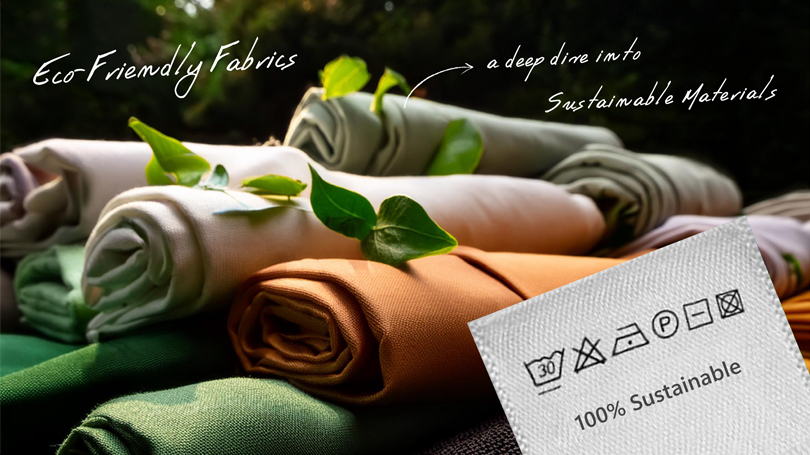
The Future of Sustainable Clothing: Why Cotton is Leading the Way The fashion industry is embracing sustainability, and cotton is emerging as a leading material for eco-friendly clothing. Unlike synthetic fibers like polyester, cotton is natural, renewable, and biodegradable, making it a sustainable choice for consumers and manufacturers. Why Cotton is Sustainable? 1. Natural and Biodegradable: Cotton decomposes faster than polyester, reducing landfill waste and microplastic pollution. 2. Lower Carbon Footprint: Organic cotton farming avoids synthetic pesticides and fertilizers, cutting emissions and promoting healthier soil. 3. Water Conservation: Modern irrigation techniques and organic practices reduce water usage, addressing a key challenge in cotton farming. Cotton vs. Polyester Aspect Cotton Polyester Raw Material Natural (grown on farms) Synthetic (petroleum-based) Biodegradability Fully biodegradable Non-biodegradable Environmental Impact Lower (especially organic cotton) High (due to emissions and waste) Carbon Footprint Reduced with organic farming High during production Driving Forces Behind Sustainable Cotton Consumer Demand: Shoppers now prefer natural, eco-friendly fabrics over synthetics. Innovation: Recycling and upcycling cotton waste reduce the need for virgin cotton. Global Commitments: Brands and governments prioritize sustainability standards like GOTS and Fair Trade. Challenges While promising, cotton faces challenges like high production costs and the need for further water efficiency. Educating consumers and scaling sustainable practices remain key priorities. The Future is Green With its environmental benefits, cotton is set to lead the sustainable fashion movement. As brands and consumers align with sustainability goals, choosing cotton over synthetics is a step toward a greener future.

Scroll to Top